Mobile Phone Screen Protectors: A Complete Guide
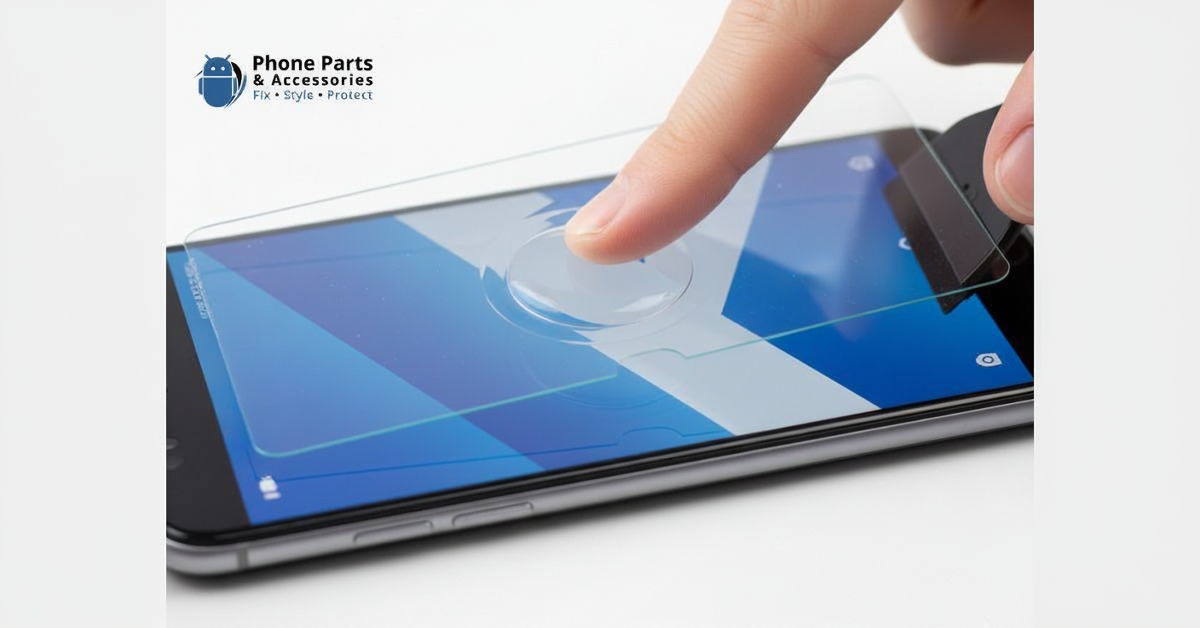
A phone screen protector is a thin layer placed on top of your phone screen. It helps reduce scratches, cracks, and surface damage. Even strong smartphone glass can break or scratch in daily use. Screen protectors act as a first line of defence.
What Is A Phone Screen Protector And Why It Matters
A screen protector sticks directly onto the display glass. It protects against everyday contact with keys, coins, and hard surfaces. Most protectors also help reduce fingerprints and oil marks.
Smartphone screens are made from strengthened glass, but they can still scratch or crack when dropped. Repairing a damaged screen often costs much more than buying a protector.
Do phone screen protectors really work?
Yes. Tests show that phones with screen protectors suffer less visible damage during drops and daily use compared to unprotected screens.
Types Of Phone Screen Protectors Explained
Most people choose between tempered glass screen protectors and
hydrogel screen protectors.
Tempered Glass Screen Protector
A tempered glass screen protector is made from heat-treated glass. This makes it harder and more resistant to scratches and impacts.
Tempered glass protectors are usually 0.3–0.5 mm thick and feel close to the original screen. Tempered glass is designed to crack instead of the phone screen during a strong impact. This helps protect the original display underneath.
Tempered glass can break after a hard drop. Once cracked, it must be replaced. It may also lift at the edges on curved screens.
Is tempered glass good for drop protection?
Yes. Tempered glass offers strong impact protection, especially on flat screens.
Hydrogel Screen Protector
A hydrogel screen protector is made from flexible polymer material. It fits curved screens well and keeps touch sensitivity high. Hydrogel protectors are thinner than glass. They keep touch sensitivity close to the original screen feel.
Many hydrogel films can self-heal light scratches over time.
Hydrogel does not protect as well from strong drops. It can show wear sooner than tempered glass.
Are hydrogel screen protectors scratch resistant?
They resist light scratches but not deep scratches.
Tempered Glass Vs Hydrogel Screen Protectors
| Feature |
Tempered Glass |
Hydrogel |
| Impact resistance |
High, strong shock absorption |
Moderate, better shock flexibility |
| Scratch resistance |
Excellent |
Good, self-healing for light scratches |
| Edge coverage |
Often poor on curved screens |
Excellent, fully conforms to curved edges |
| Touch sensitivity |
Slight reduction possible |
Near-original screen feel |
| Lifespan |
Long-lasting if uncracked |
Good lifespan with fewer breakages |
Choosing the Right Screen Protector for Your Phone
Your daily habits matter.
- Frequent drops → tempered glass
- Curved screens → hydrogel
- Heavy outdoor use → tempered glass
Screen protectors should also work well with phone cases. Poor fit can cause lifting and dust buildup.
iPhone Screen Protectors – What You Should Know
An
iPhone screen protector must match the exact model. Some iPhones have curved edges, which makes fit important.
Good protectors do not interfere with Face ID or touch sensitivity.
Common Myths About Screen Protectors
Some people believe all protectors are the same. This is not true. Materials and design affect protection levels.
Another myth is that protectors make phones unbreakable. They only reduce damage risk.
Are Screen Protectors Worth It For NZ Buyers?
Screen protectors cost far less than screen replacements in New Zealand. They help maintain phone value and reduce repair costs.